Published: February 24, 2023
Authored by: David Davis
Reviewed by: Garrett Adams
Updated on: September 3, 2026
 IKey Takeaways:
If a frozen pipe in your home is left unaddressed—and if there is enough pressure to cause a crack in the pipes—you could have a leak that quickly escalates into a major water emergency and costly plumbing problem.
This scenario is unfortunately common in Northern Utah homes. Understanding what to do in the event of frozen pipe water damage—and knowing how to prevent your pipes from freezing in the first place—helps protect your property from further damage. Here, we’ll review what happens when pipes freeze, how to document water damage, and how Sierra Restoration can help you recover and prevent future damage.
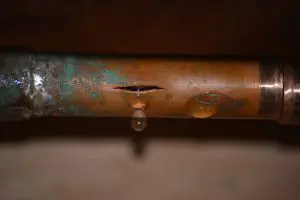
When water freezes inside a pipe, pressure builds, causing the pipe to expand and crack. Then, once the ice thaws, water starts to flow through the crack, leaking into your home.
This type of water damage can lead to mold growth, deterioration, and other severe problems if it is not cleaned up right away. In its guide to mold and moisture in homes, the EPA recommends drying water-damaged areas within 24-48 hours to prevent mold growth, which can develop if all of its growing conditions—moisture, oxygen, a food source, and a warm-enough environment—are met.
The most common areas where pipes freeze are those exposed to cold air, such as pipes in unheated areas like basements, crawl spaces, or attics. Pipes located near exterior walls or windows are also more prone to freezing.
On particularly cold days and nights in the winter, keep an eye on the pipes in these locations. With regular monitoring, you can identify water damage early and take action immediately.
For any water emergency, shutting off the water stops further damage—but you should only do so if the environment is safe. For pipe leaks near electrical outlets or burst pipes that have flooded a room, evacuate and call emergency services for assistance.
If you are able to turn off the water, you can usually find it inside Utah homes in a mechanical closet, in the basement, or in the crawl space. According to Home Depot, older homes tend to have gate-style valves, which need to be turned several times in order to completely open or close, while more modern homes have ball valves, which have a lever rather than a knob and may be easier to adjust.
After locating the valve and turning off the water, make sure the water leak has stopped. Open the faucets in your home to release any additional water that’s stuck.
After evacuating or turning off your water line, call a professional mitigation company that can initiate the restoration process and assist with documentation. Documenting the property damage is critical for your insurance claim, as insufficient evidence can lead to delays or claim denial. To avoid this:
While homeowners insurance in Utah typically covers the costs of accidental water damage, frozen pipe water damage may not be covered in cases of negligence, according to the Utah Insurance Department. This may include gradual leaks that have gone unnoticed or damage caused by deferred maintenance.
Regardless of whether or not you suspect you’re covered, gather documentation and file your insurance claim as soon as possible. Sierra Restoration can assist with documentation and work directly with your insurance company on your behalf.
Preventing frozen pipes is key to avoiding water damage in your home. Ahead of winter, go through this checklist of precautions:
For frozen pipe emergencies in Northern Utah, Sierra Restoration offers a fast, professional, full-service approach from the initial water extraction through final cleanup. Since 2010, we have answered the calls for water damage restoration in Logan, Cache Valley, Bear Lake, and surrounding communities. Our IICRC-certified technicians have received the industry’s highest credential from the Institute of Inspection Cleaning and Restoration Certification.
For 24/7 professional water damage restoration, call Sierra Restoration at (435) 466-7872 or contact us online to request a free estimate.
Does homeowners insurance cover frozen pipe damage in Utah?
In most cases, standard homeowners insurance policies do cover sudden and accidental water damage from a frozen pipe. However, coverage can be denied if the insurer determines the homeowner neglected to maintain the pipes. You can review your specific policy with an insurance agent to know for certain what’s covered.
How much does frozen pipe water damage restoration cost in Cache Valley?
Costs vary widely depending on the extent of the damage, how quickly the leak is caught, the materials affected, and whether mold remediation is needed. According to Angi’s cost data, the average cost of water damage restoration can be as low as $450 and as high as $16,000—although severe cases can exceed this range. Sierra Restoration can provide a free on-site assessment and estimate.
How long does it take to dry out a home after a pipe bursts?
Standard drying times range from 2 to 5 days using professional-grade dehumidifiers and air movers. It can take longer if water sat for an extended period before it was discovered. Likewise, homes with hardwood floors or finished basements often require longer drying times to prevent warping or hidden moisture pockets. A restoration technician will use moisture meters to confirm materials are fully dry before closing out a job.
Can I stay in my home during water damage cleanup?
If the damage is contained to one area, like a single bathroom or utility room, you can typically stay in your home. However, if there’s risk of mold growth, electrical hazards, or structural damage, a restoration professional may recommend temporary relocation until the affected area is fully dried and repaired. Your home’s air quality and safety are the main factors in this decision.
If you have a question or would like to request a free estimate, please contact us using the form below.
If this is an emergency, please call (435) 563-4007 for 24/7 service.
