Water Damage Restoration in Northern Utah: Your Complete Guide

Key Points:

  • Freezing pipes, snowmelt, and appliance issues are common causes of water damage in Northern Utah homes.
  • Understanding the classes and categories of water damage can help you know what immediate actions to take before the restoration team arrives.
  • Professional water damage restoration from a trusted company prioritizes your home’s full recovery, including emergency water extraction, moisture monitoring, and more.

From spring snowmelt and flooding to outdated structures and appliances in older homes, many factors specific to Northern Utah can contribute to water damage. Even small incidents of water damage deserve immediate attention, since a small leak can quickly escalate into significant structural damage.

Severity and safety vary by case, which is why calling a local restoration company is essential to understanding and addressing the damage. At Sierra Restoration, our IICRC-certified team handles water emergencies of all sizes in Hyde Park, Preston, and our other Idaho and Utah service areas. We understand the stress that comes with property damage and offer expert guidance and top-quality restoration service every step of the way.

This guide covers the water damage restoration process, what to expect in terms of cost, and how to find qualified local help.

Common Causes of Water Damage in Northern Utah

The restoration specialists you work with should have a deep understanding of Northern Utah’s unique home and climate challenges. These are some of the most common causes of water damage, specifically in Box Elder, Cache, Rich, and Weber counties.

logan water damage cleanup

Pipe Freezes and Bursts

There are many possible causes of a burst pipe. In Utah, the culprit is typically the cold, which can cause a pipe to freeze and expand, or high water pressure. Pipes tend to burst in high-risk areas such as crawl spaces, garage walls, and exterior walls of older homes.

Snowmelt and Ice Dams

Runoff from melting snow and ice dams—when snow melts and refreezes on the roof, potentially causing roof damage—are common seasonal problems in Utah.

Flooding

According to Utah Hazard Mitigation, flooding is one of the most common hazards in the state, with urbanization, infrastructure development, and landscape changes increasing the risk.

HVAC-Related Failures

Particularly during temperature swings, the condensate line may clog, and duct sweating may cause water damage to nearby structures.

Appliance Failure

Old water heaters, washing machines, and refrigerator supply lines are more likely to malfunction or leak.

Sump Pump Failure

Power outages or malfunctions due to a lack of maintenance can cause sump pump failure, leading to substantial water damage.

Irrigation and Landscaping

Improper yard grading and sprinkler line breaks are common problems in the summer months. Water directed toward the house’s foundation rather than away from it can seep into the basement or other foundation structures.

During a professional assessment, a restoration specialist will identify the root cause of the water damage and address the problem at its source.

The Categories and Classes of Water Damage

Understanding what kind of water damage you’re dealing with can help you take the right immediate actions before your local restoration team arrives. The categories and classes of water damage are defined in ANSI/IICRC S500, a set of internationally recognized standards and guidelines for water damage restoration professionals.

Categories of Water Damage

There are three categories of water damage that determine the level of contamination: clean, grey, and black water.

Category 1: Clean Water

Clean water is considered the safest category of water damage. The water comes from sanitary sources, including melted ice and snow, toilet water from a freshwater tank, and broken water supply lines.

Category 2: Grey Water

Grey water is considered significantly contaminated. It can come from appliances, sinks, and washing machines and may contain soap, food, grease, or other materials that, when exposed to, pose a risk of illness and infection.

Category 3: Black Water

Black water is the most dangerous type of water damage and must be cleaned up and removed by biohazard professionals. This water likely contains bacteria, chemicals, toxins, and other biohazards. Black water can come from sewage backup, flood water, or toilet overflow containing feces.

Classes of Water Damage

There are four classes of water damage that determine the evaporation rate and severity of the damage:

Class 1: Slow Evaporation & Limited Damage

In the first class, water affects a portion of a room, and the affected materials have low permeability. This is the easiest class of water damage to treat, and affected materials – concrete, plywood, particleboard – are often repairable.

Class 2: Fast Evaporation & Significant Damage

Class 2 water damage affects at least one entire room in the home, with spilled water reaching up to 24 inches up the walls.

Class 3: Fastest Evaporation & Severe Damage

Class 3 water damage usually occurs as overhead damage, such as rainwater seeping through a damaged roof and through the ceiling. It can saturate the walls, floors, and ceilings, sometimes causing irreparable damage.

Class 4: Specialty Drying Situations

This class is typically reserved for major flooding events in which materials are exposed to water for extended periods. It impacts low-porosity materials, including hardwood, brick, and stone.

Misclassifying water damage can lead to incomplete drying, mold growth, and costly secondary damage that manifests over time. This is why professionals begin with a thorough assessment of the property, water source, and damage that occurred.

The Water Damage Restoration Process: Step-by-Step

The best restoration companies in Utah offer 24/7 availability and rapid dispatch when you call with a water emergency. The specialists at Sierra Restoration have a standard water damage restoration process that effectively eliminates moisture and restores your home’s safety.

Step 1: Damage Assessment

Upon arrival, our team gets to work immediately, beginning with a thorough assessment of the site. We use specialized moisture-detection equipment to identify hidden moisture that requires attention. Then, we will develop and share a restoration plan with the homeowners. At this stage, we also document the scene for your insurance claim, taking notes and photos of essential areas.

Step 2: Water Extraction

Standing water, such as from a large spill or flooding, may require powerful extractors and vacuums for removal. Category 3 water damage requires treatment from a biohazard professional, who will wear full personal protective equipment and use specialized disposal protocols to remove the contaminants.

Step 3: Debris Cleanup and Demolition

Any materials that cannot be restored must be cleared out before the next stage of the restoration process. Our team carefully and efficiently removes debris, documenting the removed items for insurance purposes.

Step 4: Drying and Dehumidification

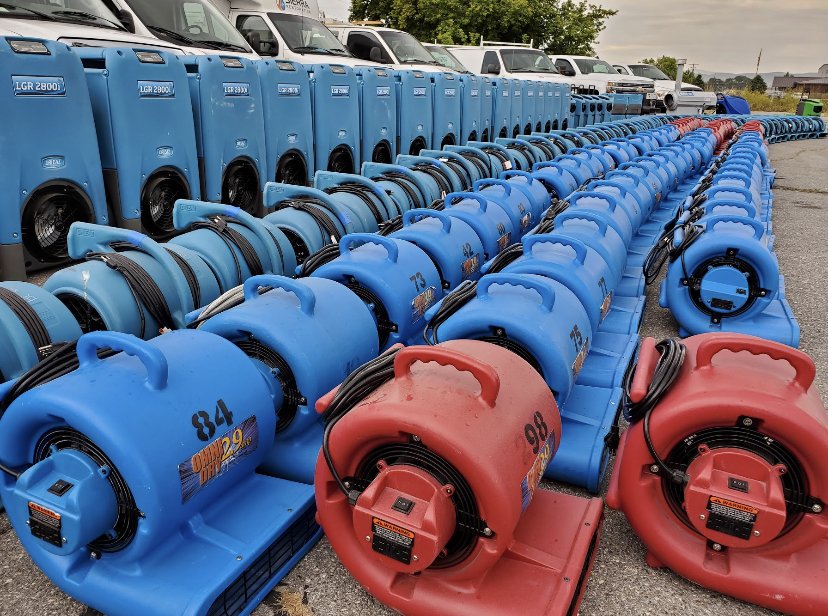
To prevent mold growth and further damage, our specialists will place industrial air movers and dehumidifiers based on moisture readings. Drying timelines can vary depending on the severity of damage and the materials affected. Our team will provide you with an estimated duration for this stage.

Step 5: Restoration and Repairs

To complete the restoration process, the final step is to replace and repair any structural elements. The timeline for this stage also varies depending on the details of the damage and the availability of materials. At this time, our team may also sanitize and apply an antimicrobial treatment to prevent mold growth and future contamination.

flood damage repair logan, flood damage cleanup logan, flood damage logan

What Water Damage Restoration Covers (and What It Doesn’t)

Before work begins, it helps to understand exactly what falls within the scope of water damage restoration. Restoration focuses on returning your home to a safe, dry, and structurally sound condition after a water event. Sierra’s restoration services include:

  • Emergency water extraction and removal
  • Industry-grade drying
  • Moisture monitoring
  • Mold detection, containment, and remediation
  • Sanitization of contaminated areas
  • Structural repairs to restore your home to pre-loss condition

Water damage restoration is not the same as remodeling, which is a service reserved for homeowners who want to upgrade their property. Some restoration companies, including Sierra Restoration, also offer home remodeling services that may be incorporated into your property restoration project.

The Cost of Water Damage Restoration

According to Angi’s cost data, the average cost of water damage restoration in Logan, Utah, is $2,274–$5,110. However, costs may extend beyond this range in severe cases of water damage, such as a sewage backup in your Weber County crawl space or basement flooding in Cache Valley.

Factors that drive the cost of water damage restoration may include:

  • The category and class of water damage: Category 3 black water events and Class 3 or 4 damage are significantly more costly than a contained, clean water spill.
  • The square footage of the affected areas: In general, the larger the affected areas, the more equipment and labor hours are needed to restore the property.
  • The materials impacted: For example, hardwood and plaster cost more to dry than carpet and drywall.
  • Whether mold remediation is required: This service could easily add hundreds, or even thousands, of dollars to the project. Exact costs will depend on the mold’s development.
  • The speed of professional response: A fast response means less secondary damage, reducing the total cost.

According to the Utah Insurance Department, homeowners insurance typically covers the costs of water damage if caused by treefall, structural collapse due to ice or snow, or other sudden, accidental events. Frozen pipes are not covered in cases of negligence, nor are gradual leaks or damage caused by deferred maintenance. Likewise, flood damage requires separate flood insurance.

Regardless of whether or not you suspect you’re covered, gather documentation and file your insurance claim as soon as possible. Sierra Restoration can assist with documentation, working directly with your insurance company on your behalf.

How to Choose a Water Damage Restoration Company in Northern Utah

A local restoration team that understands Northern Utah’s climate conditions and common property challenges will diagnose and address that damage more accurately than a national franchise dispatching from out of the area. Beyond local expertise, homeowners should look for transparent processes, verifiable credentials, and a team that communicates clearly from the first call.

While researching restoration companies or speaking with team members, ask the following questions:

  • Is your team certified by the Institute of Inspection Cleaning and Restoration Certification? (IICRC)
  • Do you offer 24/7 emergency response with local crews?
  • Do you work directly with insurance companies?
  • Will you provide a written scope of work and daily moisture monitoring logs?
  • Do you handle both mitigation and full repairs, or will I need a separate contractor?
  • What is your typical response time in my area?
  • Can you provide local references or verified reviews in Northern Utah?

In an emergency, it can be tempting to choose the first company you come across in your search. However, a few minutes of vetting beforehand can make a major difference. The best restoration teams will answer “yes” to every question here.

Be cautious of any company that cannot provide verifiable licensing, bonding, or insurance. These are non-negotiable in a profession where work quality directly affects your home’s long-term safety.

LGR 2800i machines

Choose Sierra Restoration for Water Damage Restoration in Cache Valley

Water damage of any size or category requires a fast response time and local expertise. Since 2010, Sierra Restoration has answered the calls for water damage restoration in Logan, Cache Valley, and surrounding communities. As an IICRC-certified company, our technicians offer 24/7 emergency availability and a full-service approach from the initial water extraction through final repairs.

No matter the restoration job, our trusted team works with our motto in mind: “Restoring dreams one home at a time – with value, quality, and timeliness in mind.” For professional water damage restoration, call Sierra Restoration at 435-563-4007 or contact us online to request a free estimate.

FAQs

How long does water damage restoration take in Northern Utah?

Timelines vary depending on the severity and class of damage. A contained Class 1 or 2 event may take three to five days to dry, with repairs completed within one to two weeks. More severe damage – particularly Class 3 or 4 events, or those involving mold remediation – can take several weeks and sometimes months. Your Sierra Restoration team will provide a project timeline after the initial assessment.

Does homeowners insurance cover water damage restoration in Utah?

In most cases, yes – if the damage was sudden and accidental. Burst pipes, appliance failures, and ice dam intrusions are typically covered events. Flood damage and gradual leaks resulting from deferred maintenance are generally not. Review your policy and contact your insurer promptly; Sierra Restoration can assist with documentation and communicate directly with your adjuster.

Can I stay in my home during the restoration process?

It depends on the extent of the damage and the category of water involved. Category 1 clean water events with limited affected areas are often livable during restoration, though industrial drying equipment can be loud and disruptive. Category 2 or 3 events – particularly those involving sewage or widespread structural damage – may require temporary relocation. Your restoration team will advise you based on the specific conditions of your home.

What happens if water damage goes untreated?

Untreated water damage compounds quickly. Within 24 to 48 hours, mold can begin to develop in saturated materials. Over time, structural elements—subfloors, joists, wall framing—can weaken or rot. If you discover or even suspect water damage in your Northern Utah home, don’t wait to call your local restoration company.

Contact Us

If you have a question or would like to request a free estimate, please contact us using the form below.
If this is an emergency, please call (435) 563-4007 for 24/7 service.

  • This field is for validation purposes and should be left unchanged.