Published: July 23, 2026
Key Points
Signs of mold in Cache Valley and northern Utah homes are not always easy to identify. While you may see dark spots on walls or ceilings following water damage, you have to rely on other senses and symptoms to locate invisible mold. A remediation specialist can help by uncovering the mold beneath household surfaces and eliminating it completely with professional techniques and equipment.
Sierra Restoration inspects and remediates mold in homes and businesses across Cache Valley, Box Elder County, Weber County, and into southern Idaho. Here, we’ll review the visible and invisible signs of mold, where mold is typically found, and how Sierra Restoration remediates mold and prevents future growth in the communities we serve.
Not all mold looks the same; species and types vary by color, texture, and overall form. Here are four types of mold commonly found in northern Utah homes.
Signs: Dark greenish-black, slimy patches that may appear wet or shiny when actively growing on a damp surface.
Known as black mold, Stachybotrys grows on wet or water-damaged materials with high cellulose content, such as fiberboard and paper, as well as drywall, ceiling tiles, and wood framing. This mold can appear as tightly clustered spots or larger spreading colonies.
Signs: Green, brown, or black clusters that often appear powdery or granular.
Unlike most molds, Cladosporium species can thrive in both warm and cool conditions. Most often found on interior surfaces, this type of mold can appear on window sills, wooden surfaces, and bathroom surfaces.
Signs: Blue, blue-green, or gray-green with a velvety or powdery texture.
Penicillium can grow on water-damaged building materials—including insulation, wood framing, drywall paper, and stored materials like cardboard or books—and various foods, including grains and fruits.
Signs: Dark green, gray, or brown with a woolly or velvety texture.
Alternaria resembles and is commonly mistaken for Cladosporium. This mold grows in high-moisture areas, including shower walls, under leaking sinks, around bathtubs, and in damp basements.
Knowing the signs of mold that are invisible to the human eye helps you catch mold problems early, before they become much more damaging issues.
Mold can form anywhere when it meets the conditions needed to survive: moisture, oxygen, a food source such as wood or paper, and ideal temperatures, often between 60 and 80 degrees Fahrenheit, although mold can grow outside of that range, as well. These are the most common spots for mold to develop in the home.
HVAC systems may experience condensation buildup that contributes to mold growth. This location exacerbates mold growth when systems are on, distributing spores throughout the home.
Mold hidden beneath a surface is typically the result of incomplete water damage restoration. Leaking pipes and other water intrusions can occur and affect walls, flooring, and other areas out of plain sight, leading to mold growth in just 24-48 hours, according to the EPA’s guide to mold in homes. If you’ve had a water damage event recently, keep an eye out for signs like bubbling paint, soft drywall, or warped flooring.
Common in ranch-style and split-level homes, crawlspaces offer prime conditions for mold: ground moisture and limited ventilation. Depending on the shape of your crawlspace and its accessibility, it may be difficult to detect mold without a professional assessment.
Basement flooding during spring runoff is one of the most frequent triggers of mold in this area of the home. Snowmelt, especially in Logan, Ogden, and other cities and towns surrounding the Wasatch Range, can saturate soil and increase hydrostatic pressure that forces water through basement walls and flooring.
Grout lines and under-sink cabinets in both bathrooms and kitchens can become moldy if not cleaned and dried. Showers and the areas around toilet bowls are also common sites for mold.
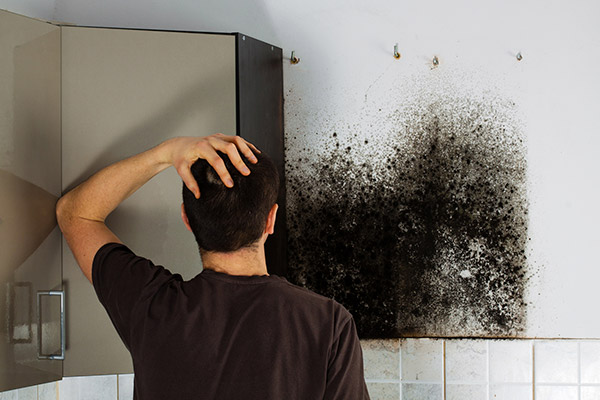
According to the EPA, if visible mold is present, there’s no need to sample and test it. Testing confirms what type of mold you have. It’s best used in the following scenarios:
Restoration companies, including Sierra Restoration, use industry-grade tools to detect moisture and mold in the home. Mold technicians will ensure every colony of mold is identified and eliminated during the remediation process.
Professional mold remediation is a multi-stage process that involves identifying the source of mold growth, removing contaminated materials, and treating all affected areas. Here are the steps Sierra Restoration’s mold remediation team follows when addressing mold cases.
Upon arrival, your mold remediation specialists will evaluate the visible mold, identify hidden moisture intrusion points, and determine the scope of the problem. The team may use moisture meters, thermal imaging, and other specialized tools to assess mold and damage in your home.
The team will isolate the areas of mold using plastic sheeting and negative air pressure to prevent spores from spreading to unaffected areas of the home. Then, they will carefully remove the mold, along with any permanently damaged items. All removed items will be documented for your insurance claim.
The process does not end with removal. HEPA filtration systems and vacuums capture airborne spores during remediation. This step protects workers and residents from inhalation and reduces cross-contamination throughout the home.
Once the air is cleared of mold spores, the team will deep-clean all surfaces and belongings affected by the mold. They will use their tools to perform a final check, ensuring that no moisture or mold remains.
In certain cases of severe mold damage, structural repairs or replacements may be needed. Your technicians will begin that process once all cleaning is complete.
From Brigham City to Bear Lake and beyond the Idaho border, Sierra Restoration has helped homeowners in northern Utah and southern Idaho identify and eliminate mold before it becomes a serious health or structural problem. Since 2010, we have provided competitive pricing, professional craftsmanship, and 24/7 emergency restoration services.
As an IICRC-certified company, we hold the highest credential in the cleaning and restoration industries from the Institute of Inspection Cleaning and Restoration Certification. During mold remediation, our expert team ensures the mold is properly contained and treated the first time to prevent recurrence. We will repair any remaining damage, restoring your space to its previous condition.
Whether you can see mold colonies or suspect hidden mold, don’t wait. Call Sierra Restoration at 435-563-4007 or contact us online for a fast, professional assessment.
Buying a mold test kit is usually not necessary. Expert organizations, including the CDC, recommend against routine mold sampling and instead suggest looking for signs of water damage and visible mold growth. A certified mold professional can provide more reliable information than an off-the-shelf mold test.
Small, contained areas of mold may take 1-2 days to remediate, whereas larger structural infestations can take a week or more. Sierra Restoration provides a thorough assessment upfront so homeowners in Cache Valley and surrounding areas know what to expect before work begins.
Yes, mold can thrive inside wall cavities, beneath flooring, and behind drywall with no surface indication. Warped walls, bubbling paint, or an unexplained odor may be your only clues. Sierra Restoration uses professional moisture mapping and thermal imaging to detect hidden mold without unnecessary demolition.
Preventing mold recurrence involves controlling moisture and maintaining proper ventilation throughout your home, especially in high-moisture areas. Try running exhaust fans in bathrooms and kitchens, inspecting roof gutters and downspouts seasonally, and promptly addressing any plumbing leaks as soon as you find them. During the remediation process, Sierra Restoration technicians will provide prevention tips tailored to your property’s specific structure.
If you have a question or would like to request a free estimate, please contact us using the form below.
If this is an emergency, please call (435) 563-4007 for 24/7 service.
