Published: February 18, 2026
Key Takeaways
No two cases of water damage are exactly the same. These events vary not only in setting and severity, but also in the source and type of water damage. As a result, restoration technicians treat each unique case based on several factors, including the specific water damage category and classification.
The categories refer to the level of water contamination, while the classes describe the evaporation rates. Together, these groupings help specialists determine which techniques and treatment methods will work best to mitigate damage.
Let’s unpack the different classifications and categories of water damage, along with the reasons a professional assessment is necessary before restoration.
Water damage of any kind can ruin structural materials and personal belongings. Identifying the category of water damage on a property helps professionals choose the proper gear and equipment for the restoration process. For example, highly contaminated water from a sewage line is dangerous to human health and requires advanced personal protective equipment and professional-grade tools to prevent exposure.
The three categories are appropriately named clean, grey, and black water.
| Clean Water | Gray Water | Black Water |
| Melted Ice & Snow | Dishwasher Leaks | Sewage Backup |
| Uncontaminated Water | Overflowing Washing Machines | Flood Water |
| Broken Water Supply Lines | Discharge From Showers/Tubs | Contaminated Toilet Water |
Clean water is considered the safest category of water damage. The water comes from sanitary sources, including:
While clean water damage does not pose a risk of exposure to harmful substances, it still warrants immediate attention. All water damage is time-sensitive and worsens the longer it goes untreated.
Also, while it is usually safe in cases of Category 1 water damage to take action—such as stopping the water damage or turning off the electricity if water is near electrical outlets—it’s still best to hire a water damage restoration team with the expert knowledge and necessary equipment.
While not the most dangerous category, grey water is highly contaminated, posing a risk of infection to humans exposed to it. Grey water may contain soap or detergent, food, grease, and other materials that may make people sick. Sources include:
Without proper, timely treatment, Category 2 water damage can escalate to Category 3. The restoration process for grey water damage includes a specialized disinfection stage to ensure all contaminants are eliminated.
Black water is the most dangerous type of water damage and must be cleaned up and removed by a certified technician. This water likely contains bacteria, chemicals, toxins, and other biohazards that pose severe health risks. Black water comes from:
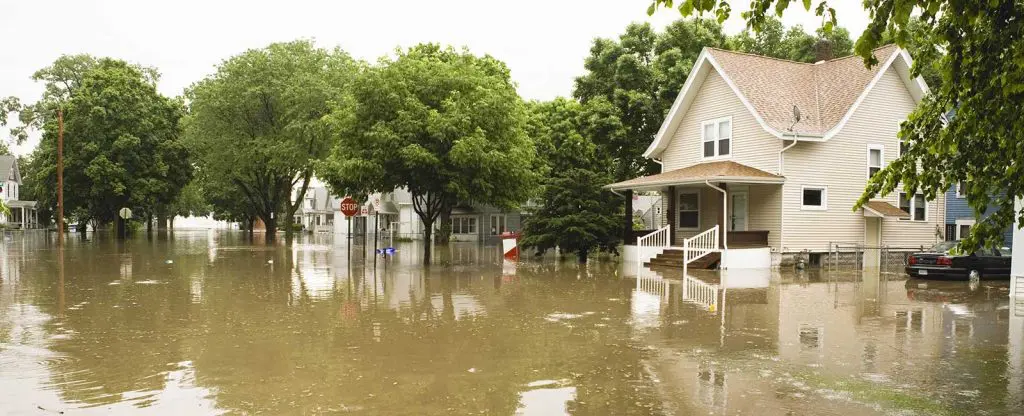
You may be surprised to see stormwater and flooding on this list. Even if Category 1 rainwater contributed to flooding, this is still a Category 3 situation. Garbage on the ground, animal feces, and any contaminated substances could have been carried by water into your home, increasing the risk of infection.
The classes of water damage provide estimates of evaporation rates, which inform us of the severity of the damage. There are four classes: three that range from limited to severe damage, and one reserved for specialty drying situations.
In Class 1 water damage, the water affects only a portion of a room, and the affected materials have low permeance, which typically results in minimal damage. Class 1 water damage may occur on concrete, plywood, particle board, or another non-porous material.
Because this is the least severe classification, Class 1 water damage is typically easiest to treat, and affected materials are often repairable. That said, restoration technicians will still act fast to stop the water source and prevent its spread to more porous materials.
Class 2 water damage affects at least one entire room, with the spilled water reaching up to 24 inches up the walls. It may affect carpeting, wood, and furniture, as well as low-permeance materials. Given the larger area and more significant damage, restoration may take longer and cost more than in a Class 1 situation.
If you experience overhead water damage, such as rainwater seeping through a damaged roof and through to the ceiling, you have a Class 3 emergency. This water damage will saturate the walls, floors, ceilings, and even the insulation, causing severe damage that, in some instances, cannot be repaired. If not treated immediately, it can also lead to mold or mildew.
Class 4 is reserved for severe water damage to low-permeable materials, such as hardwood, brick, and stone. This classification is typically used for major flooding, where materials are exposed to large amounts of water for extended periods. Restoration technicians will use specialized drying techniques to remove moisture and protect the affected materials.
When faced with water damage, some people tend to take matters into their own hands, whether that’s blotting the living room carpet or bucketing water out of a flooded basement. Small cases of Class 1 water damage, in particular, may not seem serious at all; residents may let the water dry on its own and forget about it.
However, there are several reasons to call your local restoration company for a water damage assessment:
Recovering safely: Without a professional assessment, you may misdiagnose the type of water damage—for example, confusing black water for grey water—and put your health at risk. Correct categorization can prevent exposure to contaminants, protecting everyone involved.
Whether you have a pipe leaking clean water or major storm flooding throughout your home, help is available. At Sierra Restoration, we understand the stress and challenges that property damage can cause. Our IICRC-certified technicians have the expert knowledge and training to handle water damage efficiently, helping you recover faster.
Our water damage restoration process includes:
No matter the restoration job, our trusted team works with our motto in mind: “Restoring dreams one home at a time – with value, quality, and timeliness in mind.” Contact Sierra Restoration today by scheduling an appointment online or by calling 435-563-4007.
If you have a question or would like to request a free estimate, please contact us using the form below.
If this is an emergency, please call (435) 563-4007 for 24/7 service.
