Published: April 1, 2026
Table of Contents
Stove fires typically start with either built-up grease or flammable materials left near the stove. Even after the fire is extinguished, the damage is not over; lingering smoke and soot can ruin home materials, spread beyond the kitchen, and degrade air quality if not properly treated.
Below, we’ll cover the impact of smoke and soot after a stove fire and how professional restoration teams handle the cleanup.
To understand the dangers of smoke and soot, it helps to know how each forms after a fire. Smoke is a mixture of airborne chemicals and particles, while soot is the black, powdery residue that forms after smoke cools and settles. Both result from incomplete combustion and pose their own dangers.
While smoke from fires can vary in chemical composition, inhaling fine particles from any kind of smoke can cause respiratory irritation, shortness of breath, and worsen asthma and heart disease, according to the EPA. Carbon monoxide present in smoke also reduces oxygen supply, causing headaches and impaired alertness.
A stove fire typically creates one of three types of soot:
A food-based residue, this kind of soot results from burning meat, grease, and other food materials. It forms an invisible smoke that hardens into a yellow-brown, hard-to-clean coating.
Fueled by wood and other natural materials, dry smoke results from fast-burning, high-temperature fires. It leaves behind fine, dust-like soot that can seep into porous surfaces and structural crevices.
Unlike dry smoke, wet smoke results from the burning of synthetic materials such as rubber or plastic. It produces a pungent odor and sticky residue that smears when wiped and requires specialized cleaning methods.
All of these forms of soot damage are acidic and can leave behind stains, seep into materials, and cause permanent damage if not addressed promptly. Porous materials and surfaces in the home—such as wood, fabrics, and carpet fibers—are particularly vulnerable to smoke and soot.
Even rooms with no visible damage can retain harmful particles and odors. The IICRC S700 standard recognizes that affected areas routinely extend well beyond the room of origin. Within just minutes of a kitchen fire, smoke and soot particles can migrate throughout the home via the HVAC system.
And the longer these particles go untreated, the more likely it is to require costly structural replacements. The damage typically follows this timeline:
Homeowners may want to tackle smoke and soot cleanup themselves rather than hire a professional. But there are risks to DIY cleanup: Without the trained eye of a restoration specialist, you may miss hidden damage in your home.
Using the wrong cleaning products or applying water prematurely can smear soot, permanently set stains, and embed smoke particles deeper into building materials. On top of that, you’ll increase the risk of exposure to dangerous chemicals.
IICRC-Certified fire damage restoration professionals also have the knowledge and equipment to completely remove smoke and soot the first time, saving homeowners the time and stress of DIY work. Plus, restoration teams will do a complete assessment of the stove fire damage and document the scene for your insurance claim.
While there are small actions you can take in cases of minor fire damage—opening windows and wiping down non-porous surfaces, for example—it’s best to leave the majority of the work for when your local fire damage restoration technicians arrive.
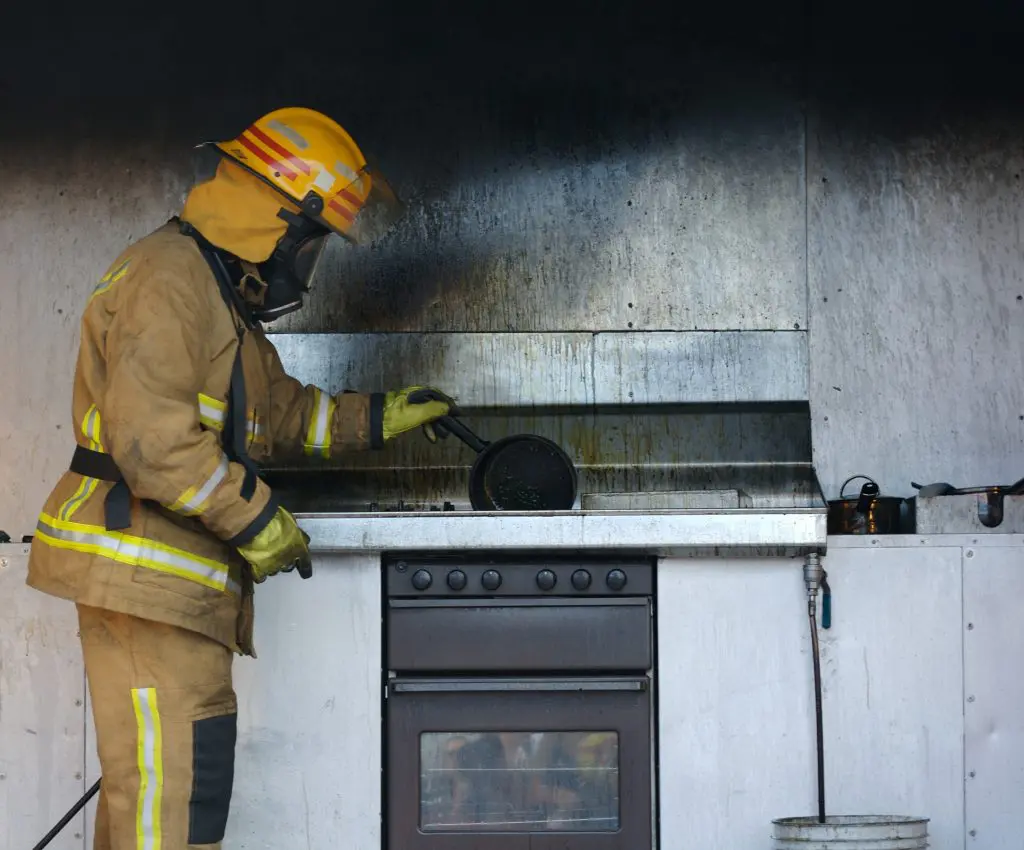
Smoke and soot removal is an essential stage in the fire damage restoration process. It ensures your property is completely clean and the air quality is restored before any necessary reconstruction begins. Most restoration companies follow some version of this process to address fire, smoke, and soot damage:
While smoke and soot damage are serious concerns that can affect home materials and human health, swift and effective cleanup can minimize the damage. The fire damage specialists at Sierra Restoration understand that time is of the essence when it comes to removing smoke and soot from the property.
Our technicians follow IICRC S700 protocols, the latest national standard for assessing fire residues. The moment we arrive at the site of a stove fire, we begin the restoration process to protect you and your property from further damage.
Since 2010, Sierra Restoration has provided exceptional home restoration services to communities in Utah and Idaho. Our trusted team applies our motto to every job: “Restoring dreams one home at a time – with value, quality, and timeliness in mind.”
Schedule fire damage restoration with Sierra Restoration, or call 435-563-4007.
First, evacuate the property and make sure everyone in the house is safe. Call the fire department and wait for confirmation that the property is safe to reenter. Document the scene once you are able to do so; photos of the damage will support your insurance claim. Then, call your local restoration company to start the recovery process.
In most cases, untreated smoke can remain in the home for one to several weeks. Sometimes, smoke lingers for months if the fire was significantly damaging. A fire damage specialist can identify and remove all smoke and soot, restoring air quality and the condition of affected materials.
While you can clean up light damage yourself, such as wiping down non-porous surfaces, it’s safer to hire a fire damage professional for substantial smoke and soot damage. Cleaning up smoke and soot yourself increases your risk of fine-particle exposure and accidentally smearing soot, creating more stains. Fire damage specialists have the equipment and requisite experience to safely remove smoke and soot the first time.
Yes, most homeowners’ insurance policies cover fire damage, which includes smoke and soot damage. Coverage details vary by policy, so it’s worth reviewing your policy with an insurance agent before assuming full coverage. If you elect to file a claim, Sierra Restoration bills insurance directly and can assist with damage documentation to support the process.
Fire damage professionals may use a soot sponge to pick up particles without smearing them into surfaces. A specific technique is needed for effective cleaning. Other equipment, such as soot cleaners and air scrubbers, may also be used during the soot and smoke cleaning process.
If you have a question or would like to request a free estimate, please contact us using the form below.
If this is an emergency, please call (435) 563-4007 for 24/7 service.
