Published: September 3, 2026
Authored by: Austin Wolverton
Reviewed by: Todd Trask
Key Points:
When water damage occurs, one of the first questions Northern Utah homeowners have is how much repairs and restoration will cost. According to Angi’s cost data, the average cost of water damage restoration in Logan, Utah, is $2,274–$5,110. However, many factors—such as the type of water damage, the room where a water emergency occurs, and your insurance coverage—can affect the final cost.
Below, we’ll break down these cost factors, including Utah-specific influences.
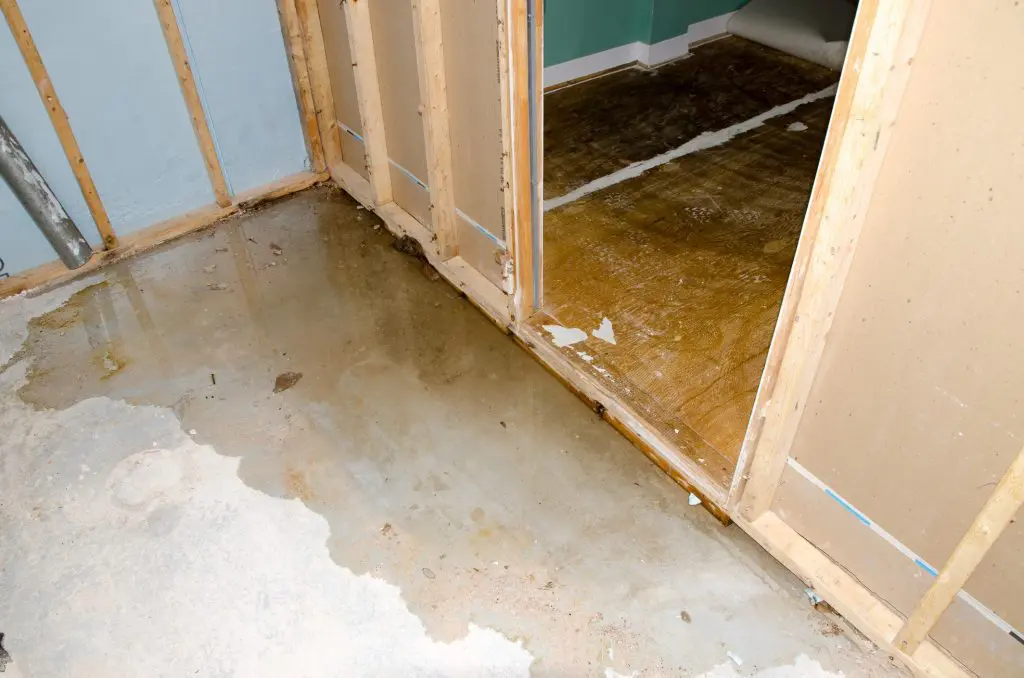
The category of water damage, which reflects how clean or contaminated the water is, becomes perhaps the biggest cost driver. Clean water damage (Category 1) costs less on average than black water damage (Category 3).
The average cost for each category below was pulled from Angi’s cost data.
Note: The costs throughout this blog reflect industry averages from Angi and not Sierra Restoration’s specific pricing structure.
Average cost per square foot: $3.50
Clean water is considered the safest category of water damage. The water comes from sanitary sources, including melted ice and snow, clean water from a toilet’s fill tank, and broken water supply lines.
Average cost per square foot: $5.25
Though not as dangerous as black water, grey water is considered somewhat contaminated and thus more costly than clean water damage. This category includes water that contains soap, food, grease, or other materials that pose a risk of infection. Washing machine water, dishwasher leaks, discharge from bathtubs and showers, and toilet water containing urine are all considered grey water.
Average cost per square foot: $7.50
Black water is the most dangerous type of water damage and must be cleaned up and removed by biohazard professionals. This water likely contains bacteria, chemicals, toxins, and other biohazards. Black water can come from a sewage backup, floodwater, or a toilet overflow containing feces.
Because black water cleanup is a more involved process requiring specialized professional expertise, it tends to cost a great deal more than cleanup in less severe categories.
Where the water emergency occurs, along with the materials damaged during the emergency, also determines the cost. A fully flooded basement, for example, will cost significantly more than a single leaking kitchen pipe. Here are some cost ranges per home area based on industry averages:
In general, the larger the affected areas, the more equipment and labor hours are needed to restore the property.
The climate in Northern Utah creates two key local risk factors for water damage: snowmelt and pipe freezing.
Every spring, Utah restoration companies experience an increase in calls after snowmelt damage. Runoff from melting mountain snow can pool and seep into cracks in the foundation, leading to interior water damage. This type of damage is difficult to catch before it’s too late, and prevention with a functioning sump pump and yard grading can help.
When temperatures drop in Utah, pipes can freeze and expand, possibly bursting if the pressure is great enough. This tends to happen in high-risk areas such as crawl spaces, garage walls, and exterior walls of older homes. In addition to water damage restoration, repairing the burst pipe is another cost homeowners face in these situations.
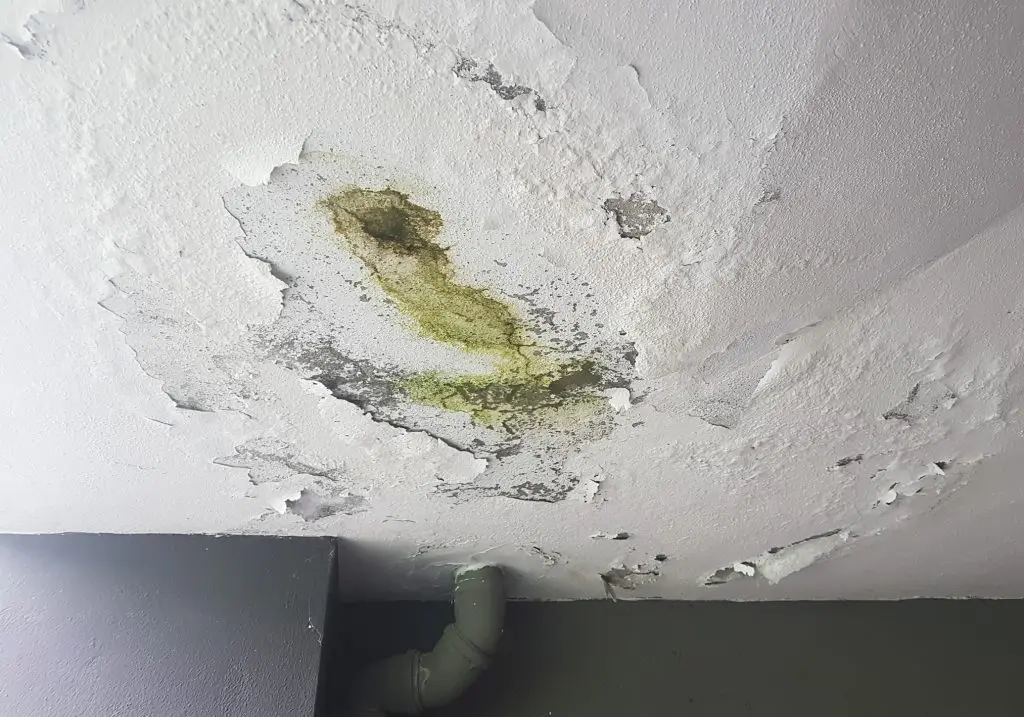
What you pay depends on your insurance coverage. According to the Utah Insurance Department, homeowners insurance typically covers the costs of water damage caused by a fallen tree, structural collapse due to ice or snow, or other sudden, accidental events.
Frozen pipes are not covered in cases of negligence, nor are gradual leaks or damage caused by deferred maintenance. Likewise, storm runoff and flash flooding require a separate flood insurance policy through the National Flood Insurance Program (NFIP) or a private carrier.
Regardless of whether your damage is covered, gather documentation and file your insurance claim as soon as possible. Sierra Restoration can assist with documentation, working directly with your insurance company on your behalf.
The longer water damage goes untreated, the more long-term damage it could cause.
Within the first few minutes of water damage, moisture soaks into porous surfaces, staining furniture and carpeting. Within hours, severe damage to home materials can occur; metal surfaces can tarnish, wood may disintegrate, and unpleasant odors can develop.
The EPA recommends drying water-damaged materials within 24–48 hours to prevent mold growth. Mold remediation is its own professional process and additional cost.
A fast, professional response means less secondary damage, reducing the total cost.
Calling a water damage restoration company at the first sign of a water emergency is the best way to start the restoration process fast and keep costs low. At Sierra Restoration, our team uses state-of-the-art equipment to detect and extract hidden moisture, minimizing the risk of mold growth from water damage. With industry-level techniques, we work efficiently to salvage damaged belongings and materials whenever possible.
For water damage restoration service in Northern Utah, Sierra Restoration delivers. Call us at (435) 466-7872 or contact us online to schedule your appointment today.
Most Utah homeowners insurance policies do not cover water damage from burst pipes if it’s due to negligence, according to the Utah Insurance Department. Sudden and accidental water emergencies are generally covered, typically including water extraction, drying, and repairs. Call your insurance company and confirm your coverage with an agent to know exactly what’s covered in your plan.
Water damage restoration, which includes a thorough drying stage, in a Northern Utah basement typically costs between $500 and $2,800, according to Angi’s cost data, though it could be higher depending on square footage, water category, and whether the space is finished. Finished basements cost more due to drywall, flooring, and insulation removal, while unfinished basements with concrete floors are faster and cheaper to dry.
Restoration timelines vary depending on several factors, including the number of rooms affected, severity of damage, and more. Homes with saturated groundwater or finished basements often take longer, since drying equipment must run until moisture readings return to normal before rebuilding can start.
While minor surface water can sometimes be addressed by homeowners, professional restoration is recommended for anything beyond a small spill. DIY cleanup often misses trapped moisture in walls, subfloors, or insulation, which leads to mold growth and higher repair costs down the road.
If you have a question or would like to request a free estimate, please contact us using the form below.
If this is an emergency, please call (435) 563-4007 for 24/7 service.
