Published: September 3, 2026
Authored by: David Davis
Reviewed by: Garrett Adams
Published on: July 15, 2026
Key Takeaways:
Mold remediation is the professional process of identifying, removing, and treating mold to prevent its regrowth. When Utah homeowners discover mold in a particular area of the house—common places include bathrooms, kitchens, and basements—they may attempt to address it themselves as quickly as possible. However, DIY mold removal without the proper equipment and expertise risks failing to completely eliminate the mold. It’s also difficult to identify hidden mold and moisture without an expert’s tools and training.
With a strong understanding of the unique mold and moisture challenges Utah homeowners face, the Sierra Restoration team effectively removes mold at its source to prevent future problems. In this guide, we’ll discuss the benefits, process, and cost range of professional mold remediation; Utah-specific causes of mold growth; the symptoms of mold exposure; and more.
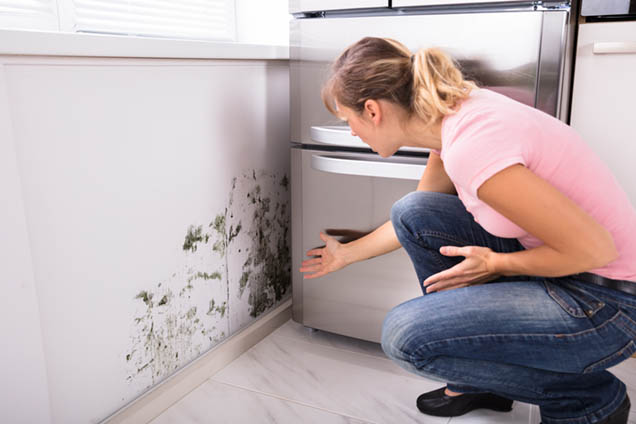
The EPA states that if an area has mold covering less than 10 square feet, homeowners can attempt cleanup themselves. However, DIY mold removal jobs often fail to address the source of the mold, which is necessary to prevent regrowth.
Mold requires a few key components for growth: oxygen, a food source, warm enough temperatures, and moisture. Mold remediation specialists may use moisture detection tools to locate the source of water and any additional, hidden signs of mold. In some cases, this could be a hidden leak or condensation that would not otherwise be found by the homeowner. By using industry-grade equipment, the professional team ensures all traces of mold and moisture are identified and addressed, not just what’s visible.
Another reason to hire a professional mold specialist is to protect yourself from exposure to mold. Even with personal protective equipment such as gloves and masks, mishandling mold can result in serious health consequences, especially if you fall in a high-risk group. It’s best to leave removal to a mold remediation team.
Mold often results from water damage, and in Utah, this usually comes from storms and flooding, temperature fluctuations, structural damage, or a combination of these factors. Here are some of the most common causes of mold our team has seen in clients’ homes.
Each spring, the snowpack in Utah’s mountains melts and runs off into lower elevations. When a warm spell causes that snow to melt rapidly, the runoff can outpace the ground’s ability to absorb it, raising the risk of groundwater flooding that seeps into basements, crawl spaces, and foundations. Because of the state’s mountainous regions and varying terrain, flooding is considered one of Utah’s most common and most expensive natural disasters – and the standing water or hidden moisture it leaves behind is a frequent trigger for mold growth.
Older Utah homes are especially vulnerable to leaks, as worn pipes and weathered roofs combine with the state’s frequent freeze-thaw cycles to cause burst pipes and other plumbing problems.
Utah air is naturally dry, so many residents run humidifiers or evaporative coolers in their homes. If humidity levels are high enough—exceeding the ideal range of 30–50%, according to the EPA—moisture can accumulate and sometimes creep onto walls, wooden furniture, and fabrics. Over time, this can lead to mold growth if not monitored.
Because sufficient airflow helps prevent mold, poorly ventilated rooms are more vulnerable to outbreaks. Consider whether you have windows in particularly damp rooms of the home, including bathrooms, basements, laundry rooms, and kitchens.
Mold is incredibly common in homes, and exposure can cause significant health problems. While everyone should avoid potentially moldy environments, these groups should take extra caution:
Symptoms of mold exposure vary but typically include sneezing, coughing, irritated eyes, worsening asthma symptoms, and respiratory problems. If you suspect mold exposure or have any unusual symptoms, contact your doctor for an evaluation. Make sure to mention that you suspect mold in your home.
Professional mold remediation is a multi-stage process that varies in time and cost depending on the extent of mold damage, the location of the mold, and other factors. While several variables determine the exact timeframe for this process—including square footage, material type, drying time, and more—small, contained areas generally take 1-2 days to remediate, whereas larger structural infestations can take at least one week, sometimes several.
Our mold specialists at Sierra Restoration typically take the following steps for every mold case:
Our technicians will inspect not only the areas of the home where you suspect mold growth but also the rest of the home for hidden mold. We pay close attention to exterior cracks and gaps where mold may be and use moisture meters to detect all hidden moisture.
To prevent further spread, we contain the mold-affected area to isolate the growth. This makes it easier for us to gather a surface sample to send to a third-party industrial hygienist for laboratory testing.
Using specialized tools and techniques, we carefully remove the mold from the home, along with any permanently damaged items that need to be discarded.
Any airborne mold spores are addressed. We may install HEPA filtration systems and industry-grade vacuums to remove mold particles, leaving your home with cleaner, safer air.
Once the air has been cleaned, we perform a deep cleaning of all affected areas of the home. If part of a wall or floor was removed during the process, our technicians will begin reconstruction to restore all damaged property.
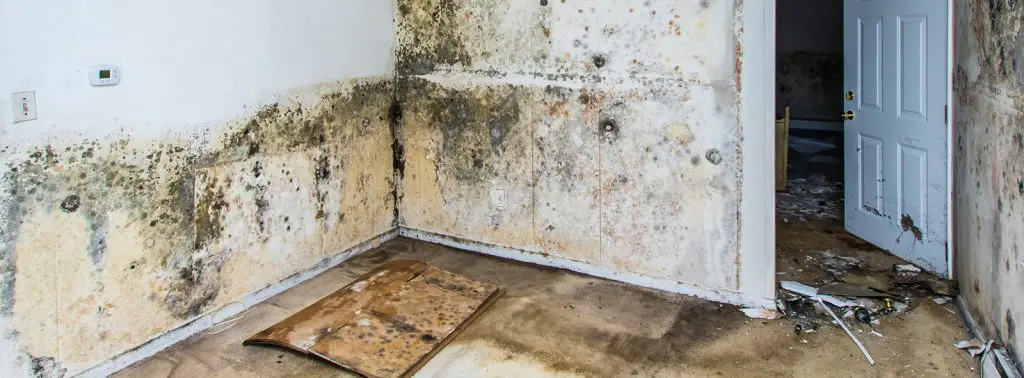
According to HomeAdvisor, mold remediation in the U.S. averages between $1,223 and $3,756, although your exact cost could fall outside this range. Costs vary based on the size of the mold growth, the location, related damage to be addressed, mold type, and other factors. There are certain components that can drive up costs:
After a thorough inspection of your home, Sierra Restoration will provide a free estimate for mold remediation, along with details on the process and what to expect.
A common question homeowners have after discovering a mold problem is: Will insurance cover mold remediation? The answer depends on the specific cause and details of your case.
Mold remediation is usually covered by homeowners’ insurance in Utah when the mold results from a sudden, covered peril, such as a burst pipe. However, mold resulting from long-term leaks, high humidity, or lack of maintenance is generally excluded from standard policies.
It’s best to review your specific policy rather than assume coverage. Sierra Restoration helps homeowners file their claims by documenting property damage and communicating with their insurance company on their behalf, streamlining the claims process.
While it may be tempting to address mold right away, calling a professional will give you the assurance that mold remediation is done right the first time. Since 2010, Sierra Restoration has provided reliable property damage restoration services to homes and businesses in Northern Utah and Southern Idaho.
We know that choosing the right mold remediation company matters, and we’re proud to set the standard for excellent service:
Our company motto is at the heart of everything we do: “Restoring dreams one home at a time – with value, quality, and timeliness in mind.” For mold remediation that eliminates the problem at its source, call Sierra Restoration at (435) 466-7872 or contact us online today!
Not always. Homeowners may remain in their homes while small, contained areas of mold are remediated. However, if your affected area is large or involves your HVAC system, your remediation company may recommend temporary relocation for your safety and comfort.
Yes, it is possible for mold to return after remediation if the underlying moisture source is not fully resolved. Professional remediation significantly reduces the risk of recurrence by addressing both visible mold and the underlying moisture problem that causes it. To further prevent regrowth, keep your home properly ventilated, control the indoor humidity levels, and promptly address any leaks.
No, mold testing isn’t always required, particularly if mold growth is visible and the source is clear. Testing helps confirm the extent and type of mold present, which is useful for insurance claims, hidden mold behind walls, or cases where a musty odor exists without visible growth. Most Utah remediation companies can assess the situation on-site and recommend testing only if needed.
Mildew typically appears as a flat, white or gray surface growth, while mold is often raised, fuzzy, or slimy, and ranges in color from black and green to orange. A persistent musty smell, especially in basements or crawlspaces, is a strong indicator of mold. A professional inspection is the most reliable way to confirm what you’re dealing with before choosing a treatment approach.
Mold remediation is typically covered by homeowners’ insurance when the mold results from a sudden, covered peril. However, mold resulting from long-term leaks, high humidity, or lack of maintenance is generally excluded from standard policies. Reviewing your specific policy can help clarify what’s covered when you file a claim.
If you have a question or would like to request a free estimate, please contact us using the form below.
If this is an emergency, please call (435) 563-4007 for 24/7 service.
