
Author: Austin David Wolverton
Key Takeaways: What to Do When Your Pipe Bursts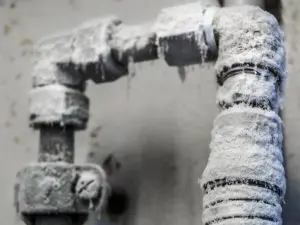
- Call a professional:If a pipe bursts in your house, avoid entering the unsafe area and call a professional immediately.
- Shut off the water if it’s safe to do so: Locate your main water shutoff valve and turn it off immediately to stop the flow.
- Avoid electrical hazards: Stay out of flooded rooms with exposed electrical equipment. Shut off power from a safe, dry location.
- Contact professionals: Call a plumber for pipe repairs and a water damage restoration company for water extraction and drying.
- Document the damage: While you wait for the professionals to arrive, take photos and videos of the burst pipe, standing water, and damaged belongings before cleanup, if it is safe to do so.
A burst pipe can quickly flood your home, damage walls and flooring, and leave you scrambling to stop the water. Knowing what to do when a pipe bursts in your house is essential to limiting damage and protecting your property.
Sierra Restoration provides professional water damage restoration services for Cache Valley homeowners dealing with damage from moisture. Below, we’ll explain how to recognize a burst pipe, what to do when your pipe bursts, and how to prevent future plumbing emergencies.
How to Recognize a Burst Pipe (and What Causes Them)
A burst pipe occurs when a water supply line cracks or breaks, releasing water into your home. Unlike a slow leak, a pipe burst often causes sudden water damage, though hidden pipe damage can go unnoticed.
Common signs of a burst pipe include:
- Sudden drop in water pressure: Faucets or showers lose pressure without an obvious reason.
- Unusual water sounds: Rushing or dripping water comes from inside walls, ceilings, or floors.
- Visible water damage: Wet spots, bubbling paint, or warped drywall appear unexpectedly.
- Higher water bills: A sudden increase in water usage suggests a hidden plumbing leak.
- Discolored water: Rusty or cloudy water sometimes indicates pipe corrosion or damage.
Common causes include freezing temperatures, aging or corroded pipes, excessive water pressure, and physical damage to plumbing lines.
Why Frozen Pipes Are a Particular Risk in Cache Valley
When temperatures drop below freezing, water inside exposed pipes can freeze and create pressure that causes pipes to crack or burst. This makes frozen pipes a common concern for Northern Utah and Southeast Idaho homeowners during winter.
Pipes along exterior walls, in unheated crawl spaces, garages, and attics face greater exposure to freezing temperatures. Insulate these areas and maintain indoor heat to reduce the risk of winter pipe damage.
Your First 24 Hours: Step-by-Step Action Plan
If a pipe bursts in your house, follow these steps in order. But never delay an emergency call or enter an unsafe area to complete a step.
Step 1: Shut Off the Water and Address Electrical Hazards
Stop the water first to prevent further flooding. Keep everyone away from standing water until you’ve addressed electrical hazards.
- Shut off the water: Find your main water shutoff valve near the water meter, in a utility room, or in your basement. Turn a round valve clockwise to close it. If you cannot reach or operate it safely, call a plumber or your water utility.
- Address electrical hazards: If water reaches outlets, appliances, or wiring, shut off power at the breaker box only if you can reach it from a safe, dry location.
- Stay out of unsafe areas: Never enter standing water or touch wet electrical equipment. Contact a qualified professional if you cannot safely shut off the power.
Step 2: Call Sierra Restoration and a Plumber
After you address immediate safety concerns, contact professionals right away. You don’t need to finish taking photos or cleaning up before making these calls.
- Call Sierra Restoration: Report the burst pipe and describe where water has entered your home. Our team provides professional water damage restoration, including water extraction and structural drying.
- Contact a plumber: Sierra Restoration can recommend a plumber to repair to the damaged pipe so you can safely restore your water supply.
A plumber fixes the pipe, while Sierra Restoration addresses the resulting water damage. Contact both as soon as possible.
Step 3: Take Photos and Document the Damage While Waiting
While waiting for professionals, take photos and videos of the damage if you can do so safely. These records support your homeowner’s insurance claim.
- Photograph the damage: Capture standing water, wet floors, damaged walls, furniture, and the burst pipe if visible.
- Record the timeline: Write down when you discovered the leak, shut off the water, and contacted professionals.
- Save your photos: Keep the original images and videos for your insurance company.
Take a few minutes to document the damage before moving belongings or removing water. Never enter an unsafe area or delay necessary cleanup just to get photos.
Step 4: Limit Further Damage While Waiting for Professionals
While waiting for Sierra Restoration and your plumber, focus on protecting your belongings and keeping the affected area safe. Leave water extraction and structural drying to trained professionals.
- Protect your belongings: Move furniture, electronics, and valuables away from affected areas if it’s safe to do so.
- Keep the area clear: Avoid entering flooded rooms or walking through standing water, especially near electrical outlets and appliances.
- Avoid disturbing wet materials: Leave soaked drywall, flooring, and insulation in place until restoration professionals assess the damage.
Sierra Restoration uses professional equipment to extract water, detect hidden moisture, and dry affected materials. The EPA recommends drying water-damaged materials within 24–48 hours to reduce mold growth.
Step 5: Contact Your Insurance Company
Once you’ve made the emergency calls and addressed immediate hazards, notify your homeowner’s insurance company promptly. You don’t need to wait for repairs or restoration work to finish.
- Report the damage: Provide your policy number, the date of the pipe burst, and a description of what happened.
- Share your photos: Submit pictures, videos, and your written timeline.
- Ask about coverage: Confirm coverage for plumbing repairs, water damage restoration, and temporary living expenses, if needed.
- Keep records: Save receipts, repair estimates, and communications with your insurer.
Follow your insurer’s reporting instructions and consult the Utah Insurance Department for additional homeowner insurance guidance. Sierra Restoration can also provide guidance on how to explain the problem to your homeowner’s insurance to ensure a smooth claims process.
When to Call a Professional for Burst Pipe Repair and Water Damage Restoration
A burst pipe often requires a plumber to repair the damaged pipe and an emergency water damage restoration company to dry and restore the affected areas.
Call a professional when you notice:
- A broken pipe: A qualified plumber determines whether the pipe needs repair or replacement.
- Standing water or soaked materials: Our restoration professionals use specialized equipment to extract water and dry affected areas.
- Lingering moisture or mold concerns: Professional drying equipment addresses trapped moisture that household fans can’t, reducing the risk of further damage.
- Extensive water damage: Sierra Restoration is IICRC-certified company with emergency availability, and local experience.
Mistakes Homeowners Make After a Pipe Bursts
After a pipe bursts, quick action limits water damage and prevents further problems. Avoid these common mistakes during cleanup:
- Waiting to call a restoration company: Delaying water extraction allows moisture to spread. The EPA recommends drying affected materials within 24–48 hours to reduce mold growth.
- Ignoring electrical hazards: Entering flooded rooms with exposed wiring or electrical equipment puts you at risk of electric shock. Shut off power from a safe, dry location.
- Assuming the problem ends when the water stops: Shutting off the water prevents further flooding, but moisture trapped in walls, floors, and other materials still requires proper drying.
How to Prevent a Pipe Burst in a Utah Home
Utah’s freezing winter temperatures increase the risk of burst pipes, especially in unheated or poorly insulated areas. Take these preventive steps before temperatures drop:
- Insulate exposed pipes: Add pipe insulation in crawl spaces, garages, attics, and along exterior walls to protect plumbing from freezing.
- Maintain indoor heat: Keep your thermostat at 55°F or higher during winter, even when you’re away, to reduce the risk of frozen pipes.
- Know your main shutoff valve: Locate your home’s main water shutoff valve and know how to operate it before an emergency.
- Disconnect outdoor hoses: Remove garden hoses, drain outdoor faucets, and winterize exposed plumbing before freezing weather arrives.
- Install a water leak detection system: Consider a whole-house leak detector with automatic shutoff to stop the water supply when the system detects a leak.
Get Professional Burst Pipe Cleanup and Water Damage Restoration
A burst pipe requires fast action to prevent further damage. Sierra Restoration provides professional water damage restoration throughout Cache Valley, including water extraction and structural drying. Contact our team today to get started.
Pipe Burst? Call Now: (435) 563-4007