Published: April 26, 2024
Key Takeaways
Water damage in your home does not always appear in plain sight. Depending on the cause, it can stay hidden behind walls or beneath floorboards, compromising your home’s structural integrity if left unidentified. This is a common problem in Northern Utah, where temperature fluctuations can cause trapped, freezing water to expand, creating foundation damage.
At Sierra Restoration, our water damage experts identify hidden moisture and use specialized techniques and equipment to completely dry the areas. Here, we’ll review the common causes and signs of hidden water damage, as well as how water damage restoration professionals address it with moisture detection tools.
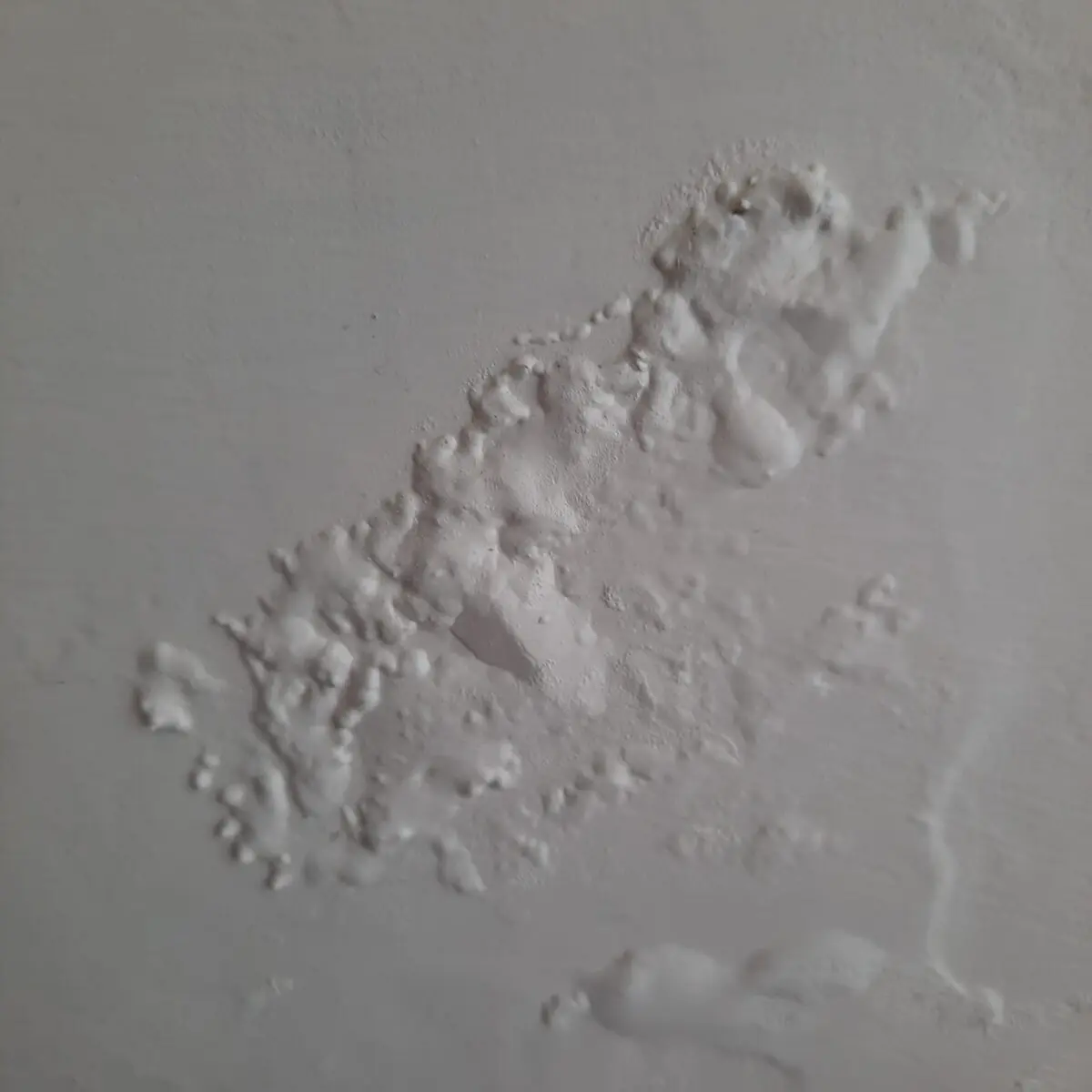
If you have a known, visible water emergency—such as a flooded basement or a burst pipe—water damage restoration professionals will address standing water and use moisture-detection equipment to identify all other moisture-affected areas. But what if you have water damage that you can’t see or verify?
Hidden water damage can remain undetected until the signs emerge or it’s found, either by chance or through a deliberate inspection. But the longer you wait to address water damage, the more damage it can cause. Here are a few common culprits of hidden water damage:
Cracks in the walls, small gaps between floorboards, foundation vulnerabilities, and roof damage are all areas where moisture can collect, making it difficult to identify before more noticeable damage occurs. Over time, water damage can soften and weaken structural materials, leading to instability and, in severe cases, major safety hazards.
Some plumbing leaks are more difficult to locate than others. Under kitchen sinks, in basements, or in crawl spaces are common locations where leaks can go unnoticed for a while. Old, corroded pipes are also more prone to leaking and causing water damage.
Appliance leaks can start small before becoming larger problems. Washing machines, dishwashers, refrigerators, and other major appliances should be inspected throughout the year to ensure there are no hidden leaks.
Knowing the signs of hidden water damage can help you catch leaks and structural weaknesses early and avoid further property damage. This is why regular inspections are crucial. According to the Utah Insurance Department, damage caused by negligence—for example, failing to address gradual pipe deterioration—is typically not covered by homeowners insurance.
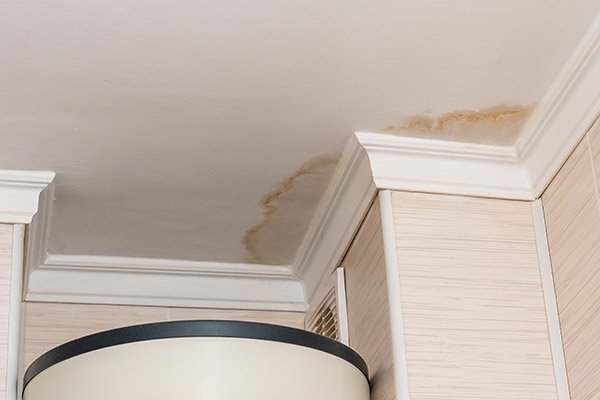
While searching for hidden moisture in your home, be on the lookout for the following signs:

The only way to confirm and completely eliminate hidden moisture problems is to hire a water damage restoration team to inspect your property. Restoration professionals use tools like moisture meters, thermal imaging cameras, and other instruments to detect moisture that would otherwise be undetectable.
With industry-grade equipment and decades of expertise, our specialists at Sierra Restoration can confirm the following information, which will inform the restoration process:
Serving Smithfield, Tremonton, and surrounding Utah communities since 2010, Sierra Restoration specializes in identifying and resolving hidden moisture issues, working to restore your property to its pre-damage condition as soon as possible. Our company is IICRC-certified, meaning we follow the professional standards set by the Institute of Inspection, Cleaning, and Restoration Certification.
We have a thorough water damage restoration process to stop damage and restore properties efficiently:
For 24/7 emergency response in Northern Utah, call Sierra at 435-563-4007 or contact us online today.
Keep an eye out for signs of hidden water damage: musty odors, unexplained stains on walls or ceilings, peeling paint, and a sudden spike in your water bill. If you notice any of these signs, schedule a professional inspection, since hidden moisture rarely resolves on its own and tends to worsen the longer it goes undetected.
It depends on the cause. Sudden, accidental damage, such as from a burst pipe, is typically covered. Damage resulting from neglect, such as a slowly corroding pipe you ignored, is usually not covered. Acting quickly on suspected leaks not only limits damage but can also protect your eligibility for coverage.
Mold can begin developing within 24-48 hours of materials getting wet, especially in dark, low-airflow spaces like wall cavities or under flooring. This is why early detection is crucial. By the time a musty smell or visible mold appears, the moisture has often been present for some time.
While you can catch early warning signs yourself, confirming the source and full extent of hidden moisture requires professional tools like moisture meters and thermal imaging cameras. DIY checks are a good first step, but a trained restoration team can find moisture trapped behind walls or under floors that would otherwise be undetectable.
If you have a question or would like to request a free estimate, please contact us using the form below.
If this is an emergency, please call (435) 563-4007 for 24/7 service.
